

Review: Law #1= Respect. Learning how to treat others with respect delivers much happier relationships as well as more self-respect.
Law #2: Learning how to manage anger can be a force to create good in the world and bring personal healing to long-buried wounds.
Law #3: Double Check Your Perceptions
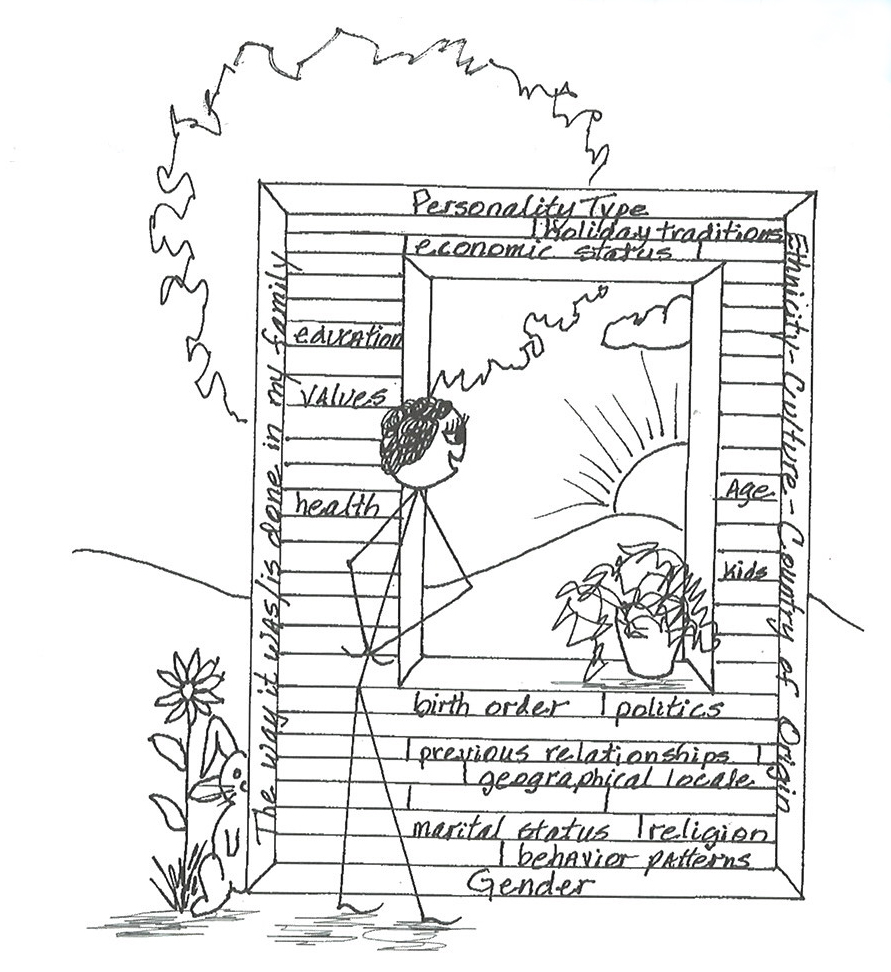
We have all had millions of experiences since infancy that have created a complicated web of beliefs and assumptions. Every current experience is filtered through this web. A current message may bump up against an old experience and be misinterpreted as its meaning is distorted by that previous event. If that previous experience was painful, you may have adopted a belief like, “I can’t trust anyone to really love me,” or “I’m all on my own,” or, “I can’t do anything right.” If the current event was news that your partner will be working late tonight, it may trigger that buried belief, “I’m all on my own. I can’t count on anyone to be here for me.” You react with an angry retort like, “Work is always your highest priority! When will you show me that I’m important to you? When is our relationship your highest priority?!”
We See Everything Through Filters
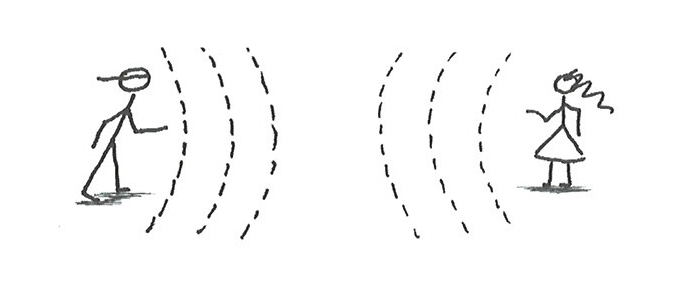
We tend only to see evidence that supports our beliefs. So in this example, it won’t matter how many times your partner has arrived home on time, or declared undying devotion to you. You only notice the times when he/she is absent when you want them with you. To you, there is never a demonstration of commitment that feels genuine…true.
Using Triggers to Heal Old Wounds
As shared in Law #2, anger is a dependable clue that an old wound needs healing. You can use the reflective questions suggested in the previous email to identify and comfort that old wound. You may also need to change your belief about the current situation so that a truck-load of anger isn’t deposited on your current relationship when only a teaspoon might be appropriate.
Prevent the Reaction Before It Damages
There’s a simple skill that only takes a minute that prevents most misinterpretations from growing into angry accusations. It’s called Perception Checking. Many of my clients have said, “If this were the only skill we learned, it would prevent most of our fights.” Here’s how to do it:

- Notice your negative reaction to an event, words, or action.
- Name your assumption as a perception, not a fact.
- “My perception is that you would rather work than be at home.”
- Add, “Is that true?”
- Believe what the other says. If the assurance is, “No, I’d much rather be at home this evening, but I have a deadline to meet at work.” Believe it, and know that your brain was making an assumption based on an old experience. If the other says, “There may be some truth in your perception. We haven’t been doing very well lately. I think we need to schedule a Skilled Discussion or make an appointment with our coach.”
The Agreement That Makes This Work
Healthy relationships are built on the foundation of truth-telling. Ideally, you both have agreed to always tell the truth to each other. So, you can count on your partner telling the truth when you ask if your perception is accurate.
However, Perception Checking works even without that formal agreement. Each person, with or without a formal commitment, is responsible for the words they speak. You receive their response as though it is true. You believe the best of them…that they are telling the truth, unless you have unarguable proof that it isn’t true…evidence that would satisfy a court of law. That’s how undependable our assumptions or perceptions are…they cannot be trusted without solid proof.
When something is done or said, our brain scans its memory for context. “Has this happened before? What was the result? Was my person hurt? If so, I’d better remind him/her so they can react appropriately.” The brain’s memory will almost instantly zero in on anything that it deems necessary to warn us about.
Perception Checking Gives Us Choices
- Believe the assurance of the other and do some Inner Child work (Your Inner Child: a Path to Healing and Freedom) to comfort yourself for the pain that was unearthed by this event, or
- Change the belief that was made by the past, painful event. “The belief that I can’t count on anyone to be here for me is a lie. I’m going to list all the ways my partner is here for me to support my new belief, which is, ‘My partner and several good friends have consistently dedicated their loyalty to me. I can count on their support when I ask for it.'”
- If you hear that your perception was accurate, then use the healthy communication skills you learned to talk about it without fighting. Millionaire Marriage Club teaches these skills, as do I with my private coaching.
Painful misunderstandings are preventable with the simple skill of Perception Checking, which is found in MODULE TWO of Millionaire Marriage Club.
You have my love and support,
